

-Why Data is Key to Sustainable Solutions-

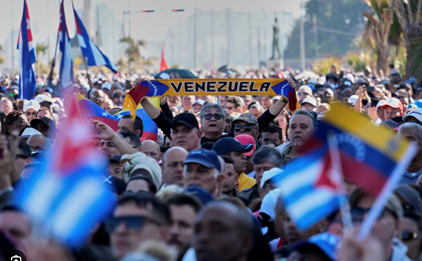
Welcome to 2026! Are you confused/angry/tired yet? As we navigate through a world increasingly defined by geopolitical tensions, it’s becomes crucial to understand that wars are usually fought over resources, despite the standard passion-focused reporting of most the world media corps. The recent U.S. intervention in Venezuela, aimed at capturing the president amid ongoing turmoil, underscores the lengths to which nations will go to secure access to vital resources. Venezuela, sitting atop the largest oil reserves in the world, could materially decrease energy costs worldwide if only its governance were stable and effective, or at least so the reasoning goes at think tanks in overdrive. This beginning of 2026 is a stark reminder of how resource wealth can lead to conflict rather than prosperity.
Historically, conflicts have erupted over resource-rich regions. The annexation of Crimea followed Ukraine’s discovery of significant natural gas reserves in the Black Sea, while Israel, Iraq, and Afghanistan’s mineral wealth and strategic locations have made them focal points for international intervention for virtually all of recorded history.

These events illustrate a troubling pattern: when resources are at stake, the stakes for conflict rise dramatically. A lack of data, or understanding of what the data means usually leads to idiotic decisions, opinions, and, usually, results.
In this context, practical data becomes an invaluable tool. In an era where sensational headlines often drown out the truth, reliable data provides clarity amidst confusion. Journalists can either illuminate the facts or obscure them, depending on whether they prioritize facts over emotional narratives. At Floodlight, we believe in the power of data to cut through the noise. We work with governments, cities, companies, and consultants who follow the same logic whether on the corporate battlefield, or other venues.

While it’s commendable to claim an understanding of carbon footprints and climate risks, it’s far more impactful to have a robust plan backed by verifiable data. Big 4 accounting firms, as well as the best consultancies in the world need to know the difference between “limited” and “reasonable” assurance. If your firm/city/country doesn’t spell out the differences to its stakeholders, you might want to start making a switch. We can see this play out in slow motion in China where population data errors over the last few decades are now calling into question whether ~100 million Chinese citizens actually exist. Our commitment to precise measurements and transparent reporting empowers businesses to make informed decisions about their sustainability strategies.
Statistics reveal the urgency of this approach. According to a recent survey by PwC, 89% of companies are already reporting some form of sustainability data, reflecting a growing recognition of the importance of sustainability in business practices. However, many organizations still lack the comprehensive data needed to make effective and strategic decisions regarding their climate risks. Amateurs continue to be caught “doing something” instead of “doing something intelligent.”
In times of uncertainty—such as during the Great Depression or the lead-up to both World Wars—media manipulation of emotions often exacerbated conflicts rooted in resource disputes. Countries, citizens, and companies would benefit from prioritizing data and factual reporting over moralizing narratives.
Floodlight is dedicated to providing the necessary tools and insights to help organizations navigate climate risks effectively. By focusing on data-driven solutions, we can move beyond fear-based storytelling and foster a culture of accountability and informed action. Our goal is to equip businesses with the knowledge they need to thrive in an increasingly complex and resource-constrained world.
Visualizing the Data
To further illustrate the resource-driven nature of global conflicts, consider the following data:
- Oil Reserves by Country: Venezuela holds approximately 300 billion barrels of proven oil reserves, making it one of the richest countries in terms of oil. In comparison, the U.S. has about 47 billion barrels.
- Global Conflict and Resource Correlation: A study from the University of California found that 40% of civil wars since 1970 have been linked to resource wealth, emphasizing the connection between natural resources and conflict.
- ESG Reporting Growth: The same PwC survey highlighted that 70% of executives believe that effective ESG strategies can lead to better financial performance, reinforcing the idea that sustainability is not just a moral imperative but a business one.
In conclusion, as we face the challenges posed by climate change and resource scarcity, let us remember the lessons of history. Highlighting the great visual below by ARC, we can see the aspects of intelligence that are crucial to make progress in any setting. Working on sustainability, despite the political baggage and flippant attitude of most of the world’s leaders is the only way to create and protect wealth for any entity (be it a private citizen or a global superpower). By prioritizing data over passion, we can create a more sustainable future for all. At Floodlight, we are committed to leading this charge, transforming how organizations understand and manage their climate risks.
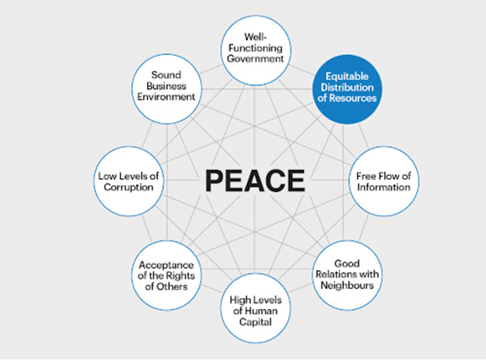
Visual source: https://newsletter.arac-international.org/p/the-equitable-distribution-of-resources